



- Blog
- 7 Flatbed Cargo Trailer Features Buyers Should Never Ignore
- 8 Ways a Dropside Trailer Improves Logistics Efficiency
- What Is a Flatbed Truck? – Complete Guide for Logistics & Transport
- What Is a Dump Trailer? The Complete Guide to Types, Uses, and Choosing the Right Hauler
- Why Are Semi-Trailers Essential in Modern Logistics?
- Why do tires eat?
Categories
Recent Posts
- SEMI-TRAILER
- Side Wall Trailer
- Flatbed Trailer
- Interlink Semi Trailer
- Dump Trailer
- Lowboy Trailer
- Bulk Cement Trailer
- Container Trailer
- Tanker Trailer
- Gas Tanker Trailer
- Fence Trailer
- Aluminum Tanker
- Acid Tanker
- Stainless Steel Tanker
- BUS TRAILER
- Modular Trailer
- Reefer Trailer
- Log Trailer
- Car Carrier Trailer
- Wind Blade Trailer
- Side Curtain Trailer
- HOWO TRUCK
- DRAWBAR TRAILER
- FAW TRUCK
- SHACMAN TRUCK
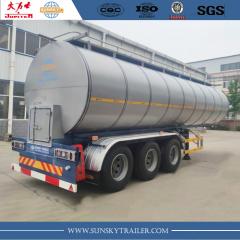
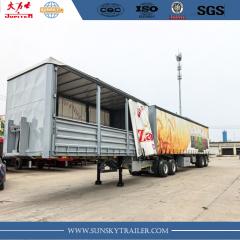
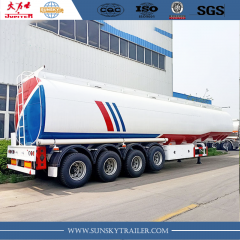
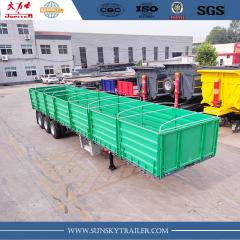
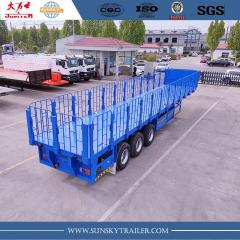
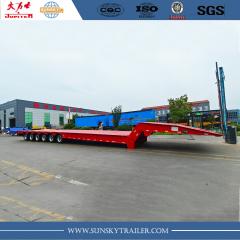
Choosing the right Flatbed Cargo Trailer is an important decision for freight companies, construction businesses, agricultural operators, and logistics fleets. While many trailers may look similar from the outside, differences in frame strength, payload capacity, axle configuration, suspension, and cargo securement can have a major impact on performance and operating costs.
A suitable Flatbed Cargo Trailer should match your cargo weight, cargo dimensions, loading method, road conditions, and transportation requirements.
Before you compare prices or contact a manufacturer, there are several specifications you should check carefully.
In this guide, we explain 7 Flatbed Cargo Trailer features buyers should never ignore, from load capacity and frame construction to suspension, cargo securement, and corrosion protection.
What Is a Flatbed Cargo Trailer?
A Flatbed Cargo Trailer is an open-deck trailer designed to transport cargo without fixed sidewalls or a permanent roof.
Its open design allows cargo to be loaded and unloaded from multiple directions, making it suitable for freight that is large, long, wide, heavy, or difficult to load into an enclosed trailer.
Typical applications include:
-
Steel products
-
Construction materials
-
Machinery
-
Agricultural equipment
-
Timber and pipes
-
Industrial components
-
General cargo
-
Shipping containers
-
Oversized equipment
The main advantage of a Flatbed Cargo Trailer is loading flexibility. However, the open deck also means that the trailer must have a suitable cargo securement system.
For commercial buyers, the best trailer is not necessarily the largest or cheapest option. It is the configuration that matches the actual cargo and operating environment.
7 Flatbed Cargo Trailer Features Buyers Should Never Ignore
1. Load Capacity and Payload Rating
The first feature to check when buying a Flatbed Cargo Trailer is its load capacity.
A trailer's payload rating determines how much cargo it can safely carry after accounting for the trailer's own weight.
Buyers should look beyond a simple advertised payload figure and check:
-
GVWR
-
Trailer tare weight
-
Payload capacity
-
Axle capacity
-
Tire load rating
-
Kingpin capacity
-
Deck load rating
-
Recommended load distribution
Why Is Load Capacity Important?
A trailer designed for general cargo may not be suitable for regularly transporting heavy machinery or steel products.
For example, two Flatbed Cargo Trailers may have similar deck dimensions but completely different load ratings because of differences in frame construction, axle configuration, suspension, and tires.
The basic calculation is:
Payload Capacity = GVWR − Trailer Tare Weight
However, the total cargo weight is not the only consideration.
The weight must also be distributed correctly across the trailer deck and axle groups.
What Should Buyers Ask the Manufacturer?
Before ordering, ask the manufacturer to provide the complete weight specification rather than only a headline payload number.
This allows you to compare different Flatbed Cargo Trailer models on a like-for-like basis.
2. Frame Strength and Structural Design
The second critical Flatbed Cargo Trailer feature is frame strength.
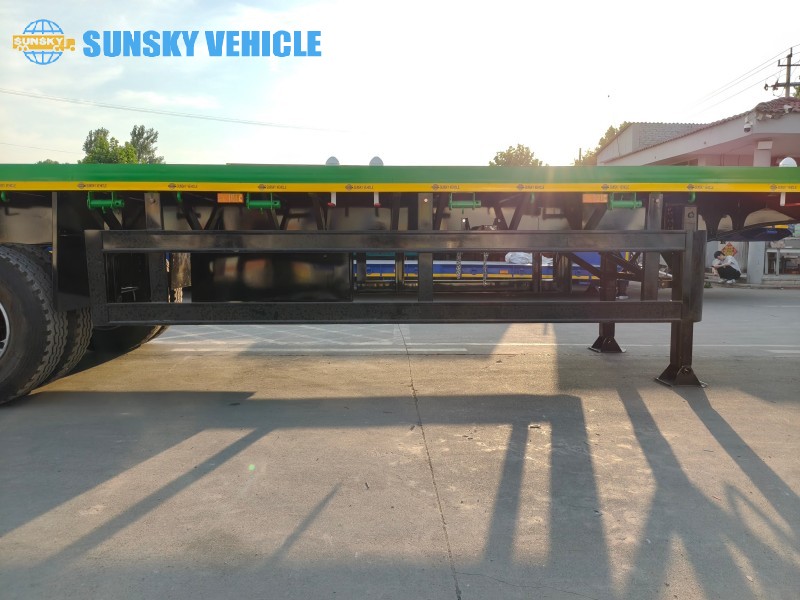
The main frame carries the majority of the trailer's structural load. During operation, it is exposed to forces from cargo weight, braking, acceleration, turning, road vibration, and uneven surfaces.
A strong trailer frame can contribute to long-term durability and stable performance.
Important Frame Components
When evaluating a Flatbed Cargo Trailer, check:
-
Main beams
-
Cross members
-
Side rails
-
Welding quality
-
Reinforcement points
-
Suspension mounting areas
-
Kingpin structure
-
Rear frame
Frame strength does not simply depend on using thicker steel.
A well-engineered frame should balance:
Strength + structural design + weight + durability
Using unnecessarily heavy steel can increase trailer tare weight and reduce available payload.
Steel Quality Matters
Ask your supplier about:
-
Steel grade
-
Material thickness
-
Main beam specifications
-
Cross-member spacing
-
Welding process
-
Reinforcement design
-
Quality inspection
For buyers who regularly operate a heavy duty Flatbed Cargo Trailer, frame specifications should be one of the first items on the comparison sheet.
3. Deck Dimensions and Platform Design
The third feature buyers should carefully consider is the cargo deck.
The deck determines how much cargo can be loaded and how easily that cargo can be positioned and secured.
Deck Length
The appropriate deck length depends on your typical cargo.
For example, a logistics company transporting standard freight may have different requirements from a construction company transporting long steel products or machinery.
Before selecting the trailer length, consider:
-
Cargo length
-
Cargo width
-
Cargo height
-
Number of cargo units
-
Loading method
-
Local transportation regulations
Deck Width
A wider deck can provide additional loading flexibility, but the maximum legal width may vary by market.
Always check local road regulations before ordering a customized Flatbed Cargo Trailer.
Deck Material
Common deck options include:
-
Steel
-
Hardwood
-
Aluminum
-
Reinforced steel
-
Combination deck designs
The right material depends on cargo type, expected loading impact, operating environment, and maintenance requirements.
Deck Height
Deck height can also affect cargo loading and overall vehicle height.
For tall or oversized cargo, a suitable deck height can help maintain the required transport clearance.
4. Axle Configuration and Load Distribution
The axle configuration is another important Flatbed Cargo Trailer specification.
Commercial trailers may be equipped with different axle configurations depending on their payload requirements and operating environment.
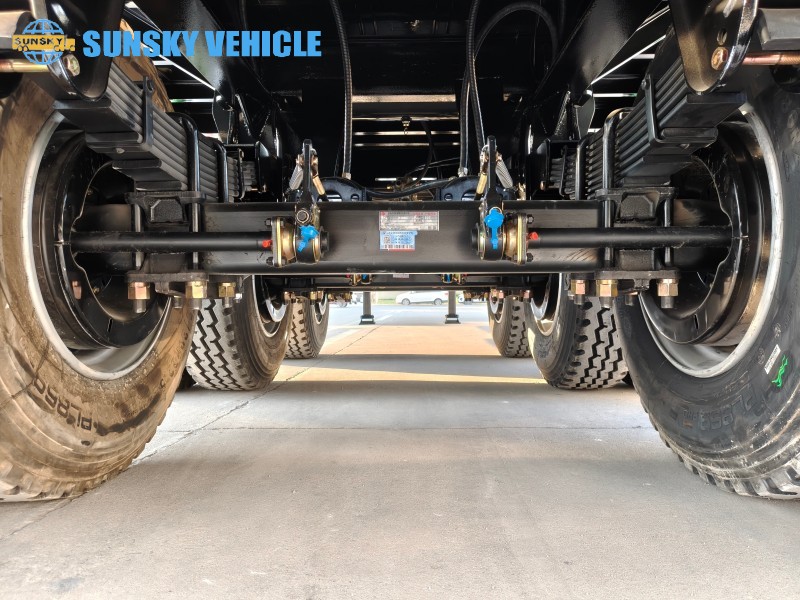
Common options include:
-
2-axle Flatbed Cargo Trailer
-
4-axle Flatbed Cargo Trailer
-
Multi-axle heavy-duty configurations
How Many Axles Do You Need?
There is no single axle configuration that works for every application.
Your choice should depend on:
-
Cargo weight
-
Legal axle limits
-
Road conditions
-
Trailer tare weight
-
Required payload
-
Transportation distance
A three-axle configuration may be suitable for many commercial freight applications, while heavier applications may require additional axles.
Buyers should also check:
-
Axle brand
-
Axle capacity
-
Brake configuration
-
Wheel specification
-
Tire size
-
Spare parts availability
A strong frame alone does not make a trailer suitable for heavy cargo. The frame, axles, suspension, brakes, and tires must be correctly matched.
5. Suspension System
Suspension is another feature that should not be overlooked when selecting a Flatbed Cargo Trailer.
The suspension system influences:
-
Load distribution
-
Ride quality
-
Stability
-
Tire wear
-
Maintenance
-
Performance on rough roads
Two common suspension options are mechanical suspension and air suspension.
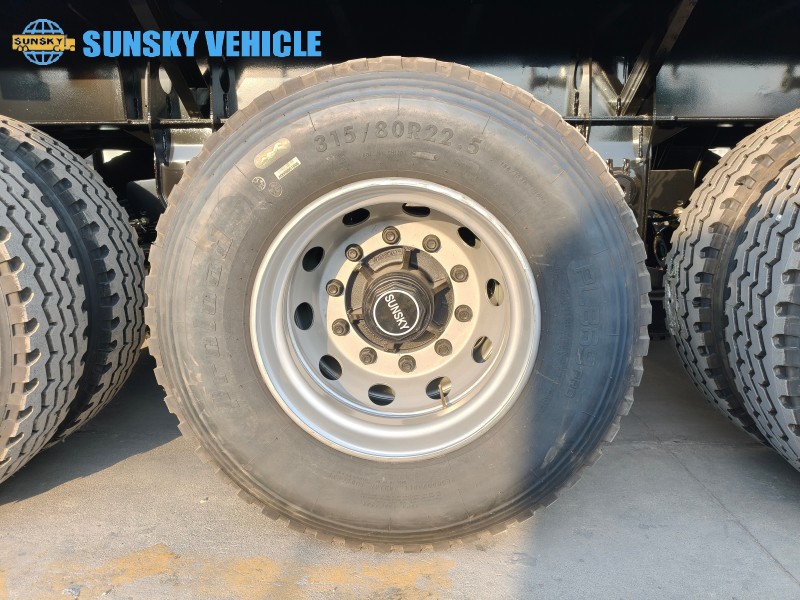
Mechanical Suspension
Mechanical suspension is widely used on commercial trailers because of its straightforward construction and relatively simple maintenance.
It can be suitable for:
-
Rough road conditions
-
Heavy-duty transportation
-
Markets with limited repair facilities
-
Fleets prioritizing simple maintenance
Air Suspension
Air suspension uses air springs to support the trailer and can provide improved ride characteristics.
It may be suitable for:
-
Long-distance transportation
-
Highway logistics
-
Sensitive cargo
-
Fleets that prioritize ride quality
The choice between mechanical and air suspension should be based on your cargo, road conditions, mileage, and maintenance capabilities.
Instead of asking which suspension is universally better, ask:
Which suspension system is appropriate for my Flatbed Cargo Trailer application?
6. Cargo Securement System
One of the biggest advantages of a Flatbed Cargo Trailer is its open loading platform.
However, the open design also means that cargo must be properly secured during transportation.
Cargo securement is therefore one of the most important features to evaluate.
Common Securement Features
Depending on the trailer configuration, cargo securement may include:
-
Tie-down rings
-
D-rings
-
Chain hooks
-
Stake pockets
-
Side rails
-
Winches
-
Container twist locks
-
Removable posts
-
Cargo straps
Different cargo requires different securement solutions.
For Steel and Machinery
Heavy-duty tie-down points and chain attachment locations may be important.
For Shipping Containers
Container twist locks can provide a dedicated method for securing containers.
For General Cargo
Multiple tie-down points can provide greater flexibility when cargo dimensions and shapes vary.
When purchasing a Flatbed Cargo Trailer, don't simply ask whether tie-down points are included.
Ask:
Where are the tie-down points located, and are they designed for the cargo I transport?
7. Corrosion Protection and Long-Term Durability
The seventh feature is often overlooked during the purchasing process: corrosion protection.
A Flatbed Cargo Trailer may operate in rain, mud, coastal environments, construction sites, or high-humidity areas.
Over time, exposure to moisture and road contaminants can cause corrosion if the trailer does not have appropriate surface protection.
What Should You Check?
Ask the manufacturer about:
-
Shot blasting
-
Surface preparation
-
Primer
-
Topcoat
-
Paint thickness
-
Anti-corrosion treatment
-
Welding-area protection
-
Drainage design
A proper surface treatment system can help protect the trailer and reduce long-term maintenance requirements.
This is particularly important for export buyers operating in tropical, humid, coastal, or high-rainfall markets.
When comparing two Flatbed Cargo Trailers, don't look only at the purchase price.
Consider the potential:
Purchase Cost + Maintenance Cost + Downtime + Service Life
A trailer with better corrosion protection may provide better long-term value depending on the operating environment.
Additional Flatbed Cargo Trailer Features to Consider
The seven features above are the foundation of a good buying decision.
However, commercial buyers may also need additional options depending on their cargo and market.
Potential customization options include:
-
Container twist locks
-
Hydraulic ramps
-
Extendable decks
-
Toolboxes
-
Spare tire carriers
-
Different landing gear
-
Customized kingpin position
-
Different axle configurations
-
Air suspension
-
Mechanical suspension
-
Reinforced decks
-
Customized tie-down systems
-
Different tire specifications
-
Customized paint and corrosion protection
For international buyers, customization can be especially useful because transportation regulations, cargo types, road conditions, and axle limits vary between countries.
How to Choose the Right Flatbed Cargo Trailer
If you are comparing different Flatbed Cargo Trailer suppliers, follow these five steps.
Step 1: Identify Your Cargo
Determine:
-
Average cargo weight
-
Maximum cargo weight
-
Cargo dimensions
-
Cargo type
-
Loading method
-
Transportation frequency
Step 2: Understand Your Operating Conditions
Consider:
-
Highway operation
-
Rural roads
-
Construction sites
-
Rough roads
-
Long-distance transportation
-
Climate
-
Local weight regulations
Step 3: Compare Trailer Specifications
Request a complete specification sheet covering:
-
Payload
-
GVWR
-
Trailer dimensions
-
Axles
-
Suspension
-
Tires
-
Brakes
-
Frame
-
Deck
-
Cargo securement
Step 4: Evaluate the Manufacturer
Before placing an order, check:
-
Manufacturing experience
-
Factory production capability
-
Welding quality
-
Component brands
-
Quality control
-
Export experience
-
Spare parts support
-
Warranty policy
Step 5: Compare Total Cost of Ownership
Do not compare Flatbed Cargo Trailer prices alone.
Consider:
Purchase price + maintenance + tires + spare parts + downtime + operating efficiency + expected service life
This approach gives you a more realistic picture of the trailer's long-term cost.
Flatbed Cargo Trailer Buying Checklist
Use this checklist before placing your order:
| Feature | What to Check |
|---|---|
| Load Capacity | GVWR, payload and load distribution |
| Frame | Main beam, cross members and welding |
| Deck | Length, width, height and material |
| Axles | Number, rating and configuration |
| Suspension | Mechanical or air suspension |
| Brakes | Brake type and specifications |
| Tires | Size, load rating and availability |
| Securement | Tie-down points, hooks and locks |
| Corrosion Protection | Blasting, primer and topcoat |
| Customization | Cargo-specific options |
| Spare Parts | Local or international availability |
| Warranty | Coverage and after-sales support |
Common Mistakes When Buying a Flatbed Cargo Trailer
1. Choosing the Cheapest Trailer
Price is important, but it should not be the only purchasing factor.
A low-cost Flatbed Cargo Trailer may have different frame, axle, suspension, tire, or surface-treatment specifications.
Always compare the complete configuration.
2. Ignoring Cargo Distribution
Even if the total cargo weight is within the rated capacity, poor weight distribution can create excessive stress on the frame and axles.
Cargo should be positioned and secured according to the trailer's design and applicable regulations.
3. Choosing the Wrong Axle Configuration
The wrong number or rating of axles can affect payload capability, legal compliance, tire wear, and operating performance.
4. Ignoring Road Conditions
A trailer operating on smooth highways may require a different configuration from one regularly used on rough roads or construction sites.
5. Forgetting After-Sales Support
Commercial transportation depends on uptime.
Before buying a Flatbed Cargo Trailer, confirm the availability of replacement parts, technical support, warranty service, and maintenance assistance.
Frequently Asked Questions About Flatbed Cargo Trailers
What is a Flatbed Cargo Trailer used for?
A Flatbed Cargo Trailer is used to transport cargo that benefits from an open loading platform. Common applications include steel, machinery, construction materials, timber, pipes, agricultural equipment, industrial components, and containers.
What should I look for when buying a Flatbed Cargo Trailer?
The main features to check are load capacity, frame strength, deck dimensions, axle configuration, suspension, cargo securement, and corrosion protection. You should also consider tires, brakes, spare parts, warranty, and after-sales support.
How much weight can a Flatbed Cargo Trailer carry?
The payload depends on the trailer's GVWR, tare weight, axle ratings, tires, frame design, and local regulations. Always check the manufacturer's complete specifications instead of relying on a generic payload figure.
Is a 3 axle Flatbed Cargo Trailer better than a 2 axle model?
Not necessarily. The appropriate configuration depends on cargo weight, axle regulations, road conditions, and the intended application. Buyers should select the axle configuration according to their actual transportation requirements.
What is the difference between mechanical and air suspension?
Mechanical suspension is known for its simple construction and straightforward maintenance, while air suspension can provide improved ride characteristics and vibration control. The appropriate option depends on cargo, roads, mileage, and maintenance conditions.
Can a Flatbed Cargo Trailer transport shipping containers?
Yes. A properly configured Flatbed Cargo Trailer can transport shipping containers when it is equipped with suitable container locks, such as twist locks, and meets the applicable weight and dimensional requirements.
Can a Flatbed Cargo Trailer be customized?
Yes. Manufacturers can often customize deck dimensions, axle configuration, suspension, container locks, ramps, tie-down systems, tires, landing gear, and other components according to the buyer's requirements.
Final Thoughts
The right Flatbed Cargo Trailer should be selected based on your cargo, operating environment, regulations, and long-term transportation requirements.
Before buying, pay particular attention to these seven features:
-
Load capacity
-
Frame strength
-
Deck dimensions
-
Axle configuration
-
Suspension system
-
Cargo securement
-
Corrosion protection
These specifications work together to determine how effectively and reliably the trailer can perform in real-world transportation.
Instead of choosing a trailer based only on price or appearance, compare the complete technical configuration and make sure it matches your actual cargo and operating conditions.
If you are looking for a Flatbed Cargo Trailer for commercial transportation or export, working with a manufacturer that can provide customized specifications, complete technical documentation, quality control, and after-sales support can help you build a trailer configuration suited to your market.